spotting the telltale warning sign
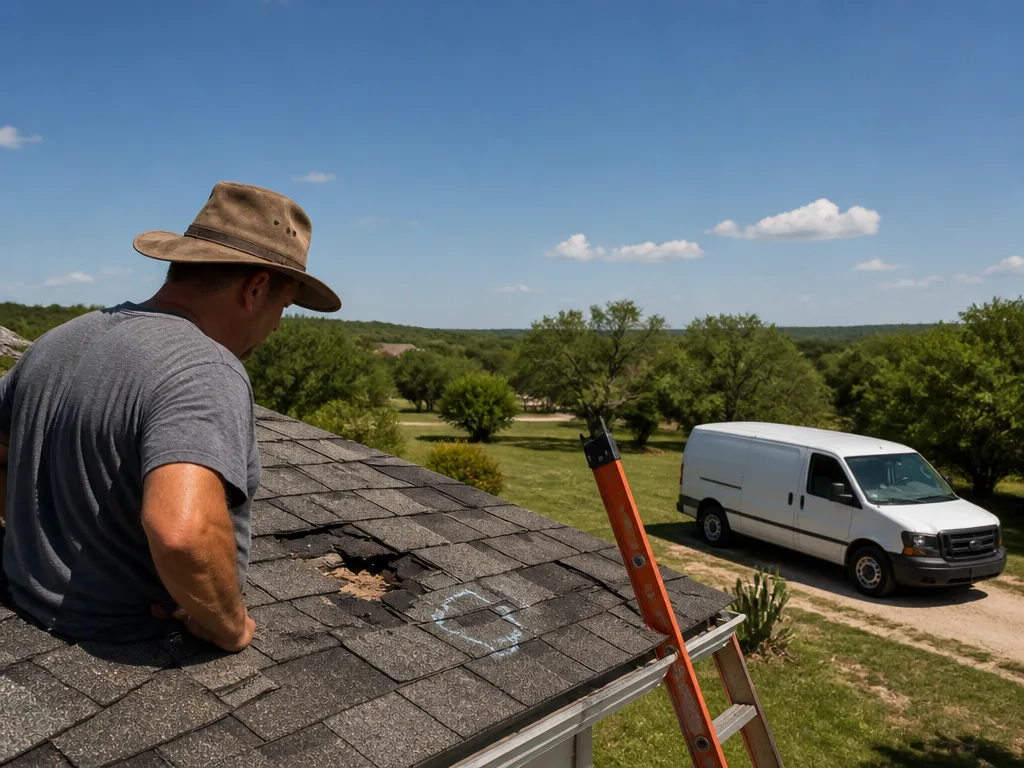
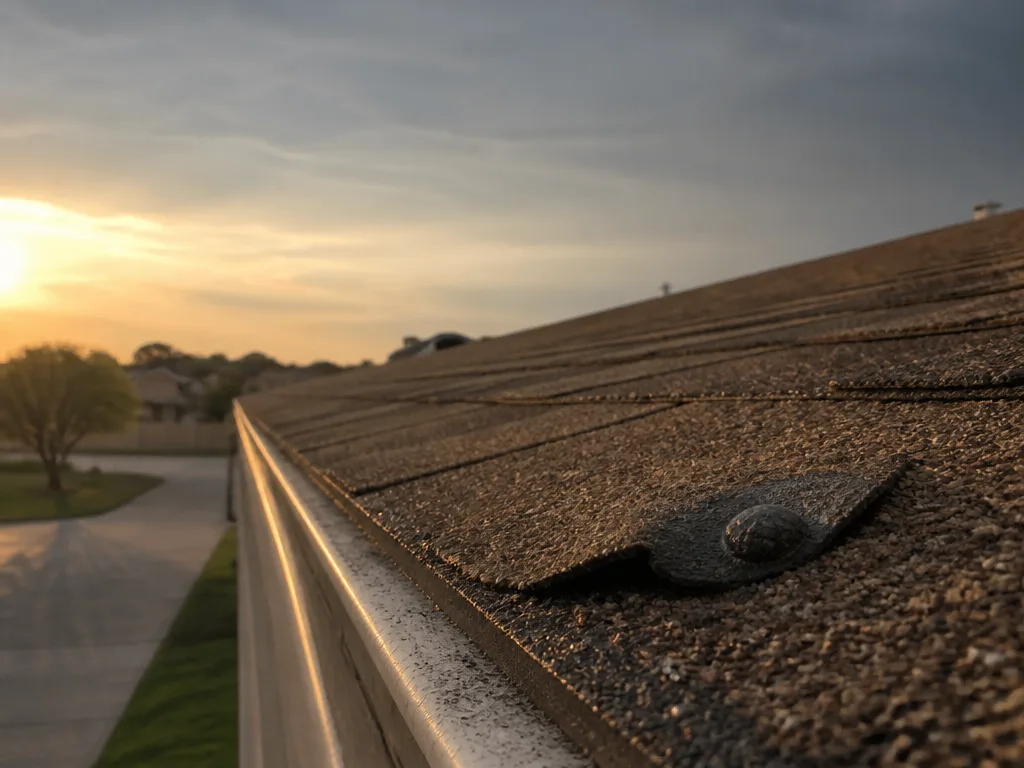
Across Texas, aging roofs show warnings that are easy to miss until a season shifts. A common sign roofers see is curling or cupping shingles. This happens when the protective granules wear away, or the underlayment starts to fail, letting moisture penetrate. If you notice shingles lifting at the edges after a windy day, it’s a signal to pause and inspect further.
Another frequent indicator is dark staining on interior ceilings or walls from attic leaks. In Texas, heat and humidity can drive condensation that eventually shows up as stains, even when it hasn’t rained recently. Look for small drips near chimneys, vents, or along valley seams after a rainstorm.
Wind-driven debris and granule loss are common in Texas roofs exposed to heavy gusts. If you find grit in gutters or on the ground after a storm, that gravel is shedding from shingles and could mean the roof’s protection is thinning.
what this means for homeowners
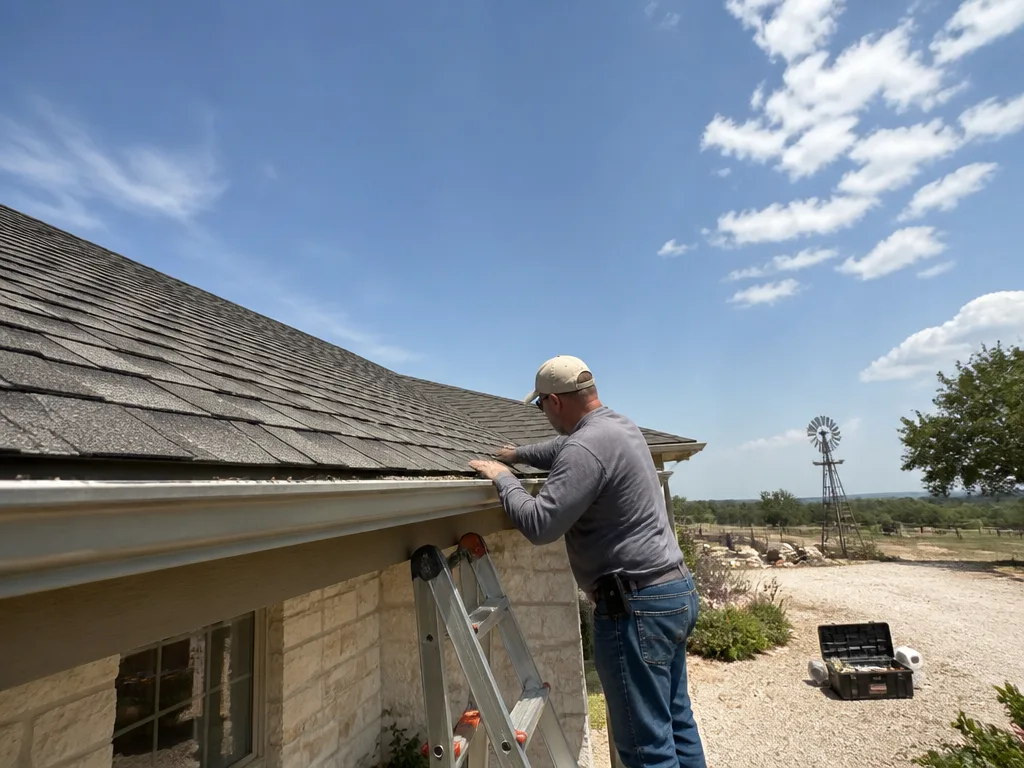
These signs aren’t a reason to panic, but they are a reason to pause and evaluate. A quick roof inspection by a roofer can determine whether there’s an active leak, hidden damage, or a need for maintenance. If you’re in Texas, crews in every Texas metro can assess your roof without delay, so you know where you stand before a major storm moves in.
Document the issue with photos from the attic and exterior roof line. Note areas with visible curling, lifted shingles, or damp spots. This helps Texas homeowners communicate clearly with a roofer and get a realistic plan for repairs.
practical next steps
Schedule a professional inspection to confirm the warning sign and map out a repair plan. If a leak is present, tarping the area can prevent further damage while you wait for an appointment. A roofer will check the flashing around chimneys and vents, ensure proper attic ventilation, and assess underlayment condition. In Texas, a proactive approach keeps repairs focused and costs predictable.
quick checklist
- Inspect for curled or missing shingles after strong winds
- Check attic for damp spots or condensation
- Look for granules in gutters or along the eave line
- Schedule a Texas-wide roof inspection if you notice any signs